


A Bitcoin halving is a scheduled event that cuts the reward paid to miners for adding a valid block to the blockchain. The event happens automatically under Bitcoin’s rules after roughly every 210,000 blocks. It reduces the rate at which new bitcoin enters circulation.
What miners receive
Miners use specialized computers to compete for the right to add a block of transactions. The successful miner can receive a block subsidy plus transaction fees. At Bitcoin’s launch, the subsidy was 50 BTC per block. It fell to 25 BTC in 2012, 12.5 BTC in 2016, 6.25 BTC in 2020 and 3.125 BTC in 2024.
The next halving is expected around April 2028, when the subsidy is projected to fall from 3.125 BTC to 1.5625 BTC. The exact date cannot be known far in advance because blocks do not arrive on a perfectly fixed schedule.
Why halving exists
The decreasing subsidy is part of Bitcoin’s issuance policy. It helps move the network toward its maximum supply of 21 million BTC. New issuance becomes smaller over time rather than stopping all at once. Eventually, transaction fees are expected to make up a greater share of miner revenue.
What changes on halving day
The number of bitcoin created by the block subsidy is cut in half. Existing wallet balances are not divided. The price is not reset, and users do not need to move coins or upgrade a normal wallet because of the event.
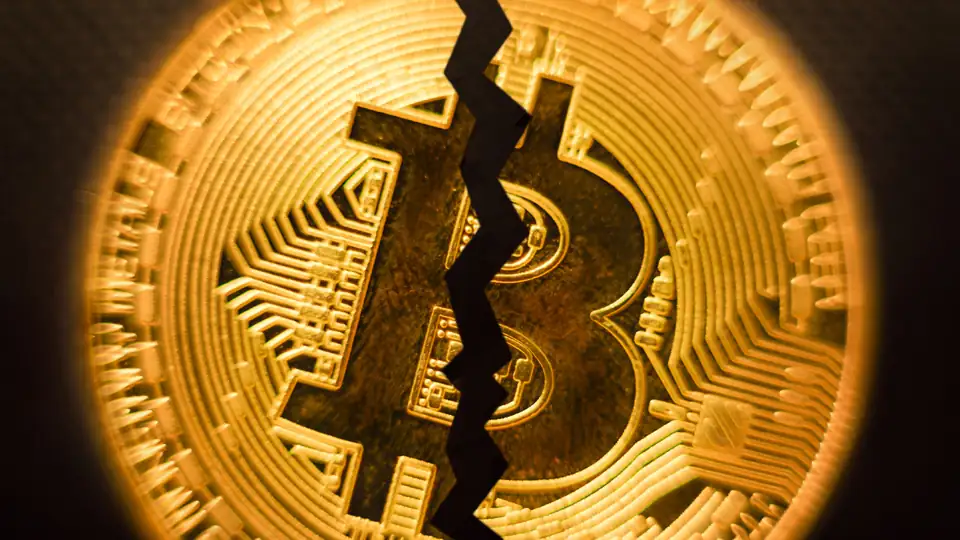
For miners, revenue can change immediately if the Bitcoin price, fees and operating costs stay the same. Less efficient equipment may become unprofitable. The network’s difficulty adjustment helps keep average block timing near its target as computing power joins or leaves.
Why investors watch it
People watch halvings because a lower rate of new supply may matter when demand stays strong. Historical cycles are often discussed, but each period had different interest rates, regulations, technology and investor behavior. Past price movements cannot prove what the next cycle will do.
The Bitcoin Halving Countdown shows a client-side timer to an estimated April 2028 date and a table of past reward changes. Use it as an educational timeline, not an exact prediction.
A halving is best understood as a transparent supply rule. Its date is estimated from block production, while its market effect remains uncertain.
Frequently Asked Questions
How often does Bitcoin halve?
Roughly every 210,000 blocks, which is about four years.
Are existing balances cut in half?
No. The block subsidy changes; wallet balances are not divided.
Is the next halving date exact?
No. It is estimated because block timing varies.
Does halving guarantee a price rise?
No. Price depends on demand and many other market conditions.