

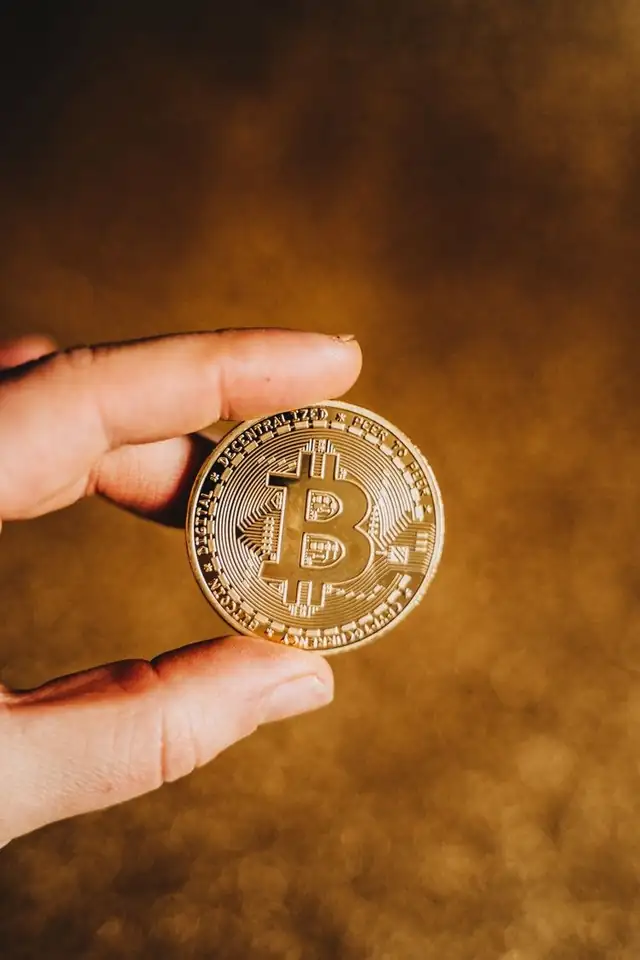
Bitcoin is a digital form of money that can be sent from one person to another without a bank processing the payment. It was introduced in 2009 and operates on a public network of computers. No single company owns that network.
The basic idea
When someone sends bitcoin, the payment is announced to the network. Computers check that the sender has the funds and has authorized the transaction. Confirmed transactions are grouped into blocks, and those blocks form a continuing record called the blockchain.
The blockchain is public, which means anyone can inspect transaction records. It does not normally show a person’s name, but it does show wallet addresses and amounts. A wallet address is a string of characters used to receive bitcoin. It is better to think of it as a payment destination than as a private bank account number.
What a wallet actually holds
A crypto wallet does not store coins like files in a folder. It manages the private keys that let you authorize movement of bitcoin recorded on the blockchain. A private key is secret information that proves control. Many wallets represent that control with a recovery phrase: a list of words that can restore the wallet.
If another person gets the private key or recovery phrase, that person can usually move the bitcoin. If the owner loses both and has no backup, there may be no company able to restore access.
Where new bitcoin comes from
Bitcoin uses a process called mining. Specialized computers compete to solve a computational challenge. The winning miner earns the right to add a valid block and receives a reward under the network’s rules. This process also helps protect the shared transaction history from being changed.

The maximum supply is limited by the software rules to 21 million bitcoin. New issuance decreases over time through scheduled events called halvings. A limited supply does not guarantee that the price will rise; demand can change in either direction.
Why people use it
Some people use bitcoin for direct online payments or international transfers. Others treat it as a long-term asset because of its fixed supply rules. Its price is highly variable, transaction fees can change, and laws or tax treatment differ by country. These trade-offs matter as much as the technology.
What beginners should remember
Bitcoin transactions generally cannot be reversed by customer support. Check the address and network before sending. Protect your wallet recovery phrase offline, and never share it with a person claiming to provide support. Start with small test transfers when learning.
Bitcoin is the first widely adopted cryptocurrency, but it is not a promise of profit. Understanding how custody, fees and price risk work is more useful than trying to predict the next move.
Frequently Asked Questions
Who controls Bitcoin?
No single company controls it; participants follow shared network rules.
Does a wallet store bitcoin as files?
No. It manages keys that authorize movement of bitcoin recorded on the blockchain.
Can Bitcoin transactions be reversed?
Usually not, so verify the address and network before sending.
How many bitcoin can exist?
Bitcoin software limits the maximum supply to 21 million.